
What Makes Houglum Physical Therapy Unique?
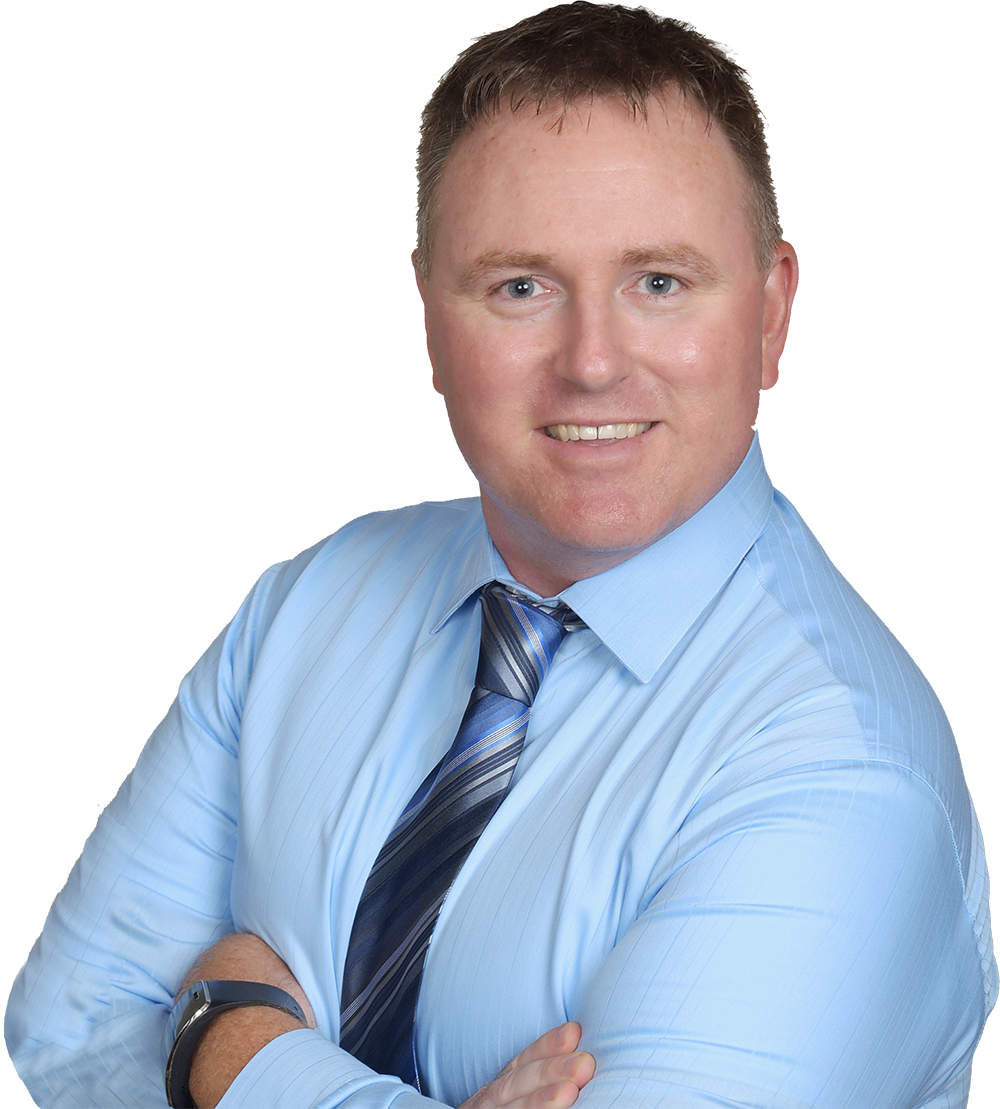
Dan delivers personal, one-on-one care grounded in proven science.
Care & Services
Treatment designed specifically for you, guided by Postural Restoration Institute® principles.
Schedule an Appointment
Treatment
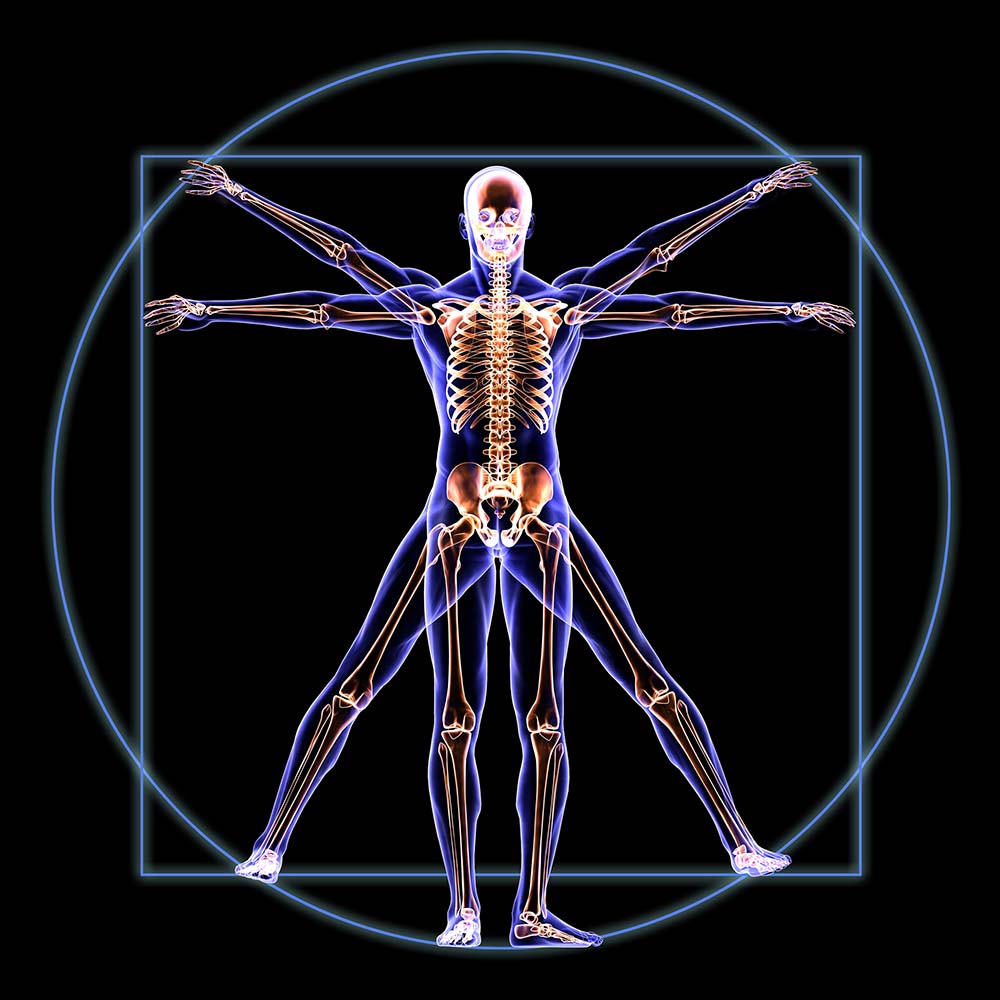
With nearly 30 years of clinical experience and more than 22 years applying Postural Restoration Institute® principles, Dan relies on sound clinical reasoning rather than online trends or pitfalls found on social media.
Every patient begins with a comprehensive, full-body evaluation that includes the sensory system to understand how the entire body functions together. From this assessment comes a clear diagnosis, which becomes the foundation for a focused and individualized treatment plan.
Diagnosis
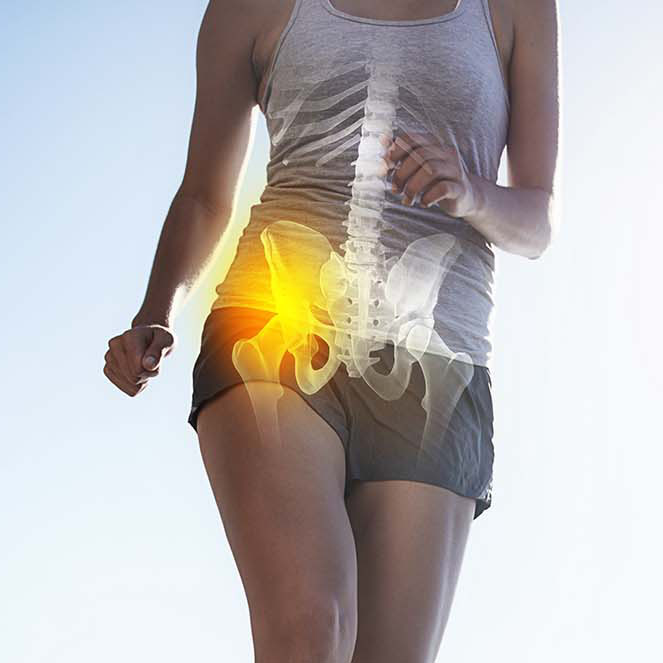
Following your comprehensive evaluation, a clear and individualized diagnosis is established. Rather than treating isolated symptoms, Dan identifies the underlying patterns affecting how your body functions as a whole. This allows treatment to be precise, intentional, and tailored to your specific needs.
Dan works with conditions including:
- Allodynia
- Autonomic Nervous System Dysfunction
- Postural Orthostatic Tachycardia Syndrome (POTS)
- Dysautonomia
- Pelvic Floor Dysfunction (male and female)
- Abdominophrenic Dyssynergia
- Respiratory Dysfunction
- Airway Management Disorders
- Swallowing Dysfunction
- Vocalization Dysfunction
- Irritable Bowel Syndrome (IBS)
- Cranial Dysfunction
- Musculoskeletal Pain
- Athletic Performance Optimization
- Total Body Recovery
Integration
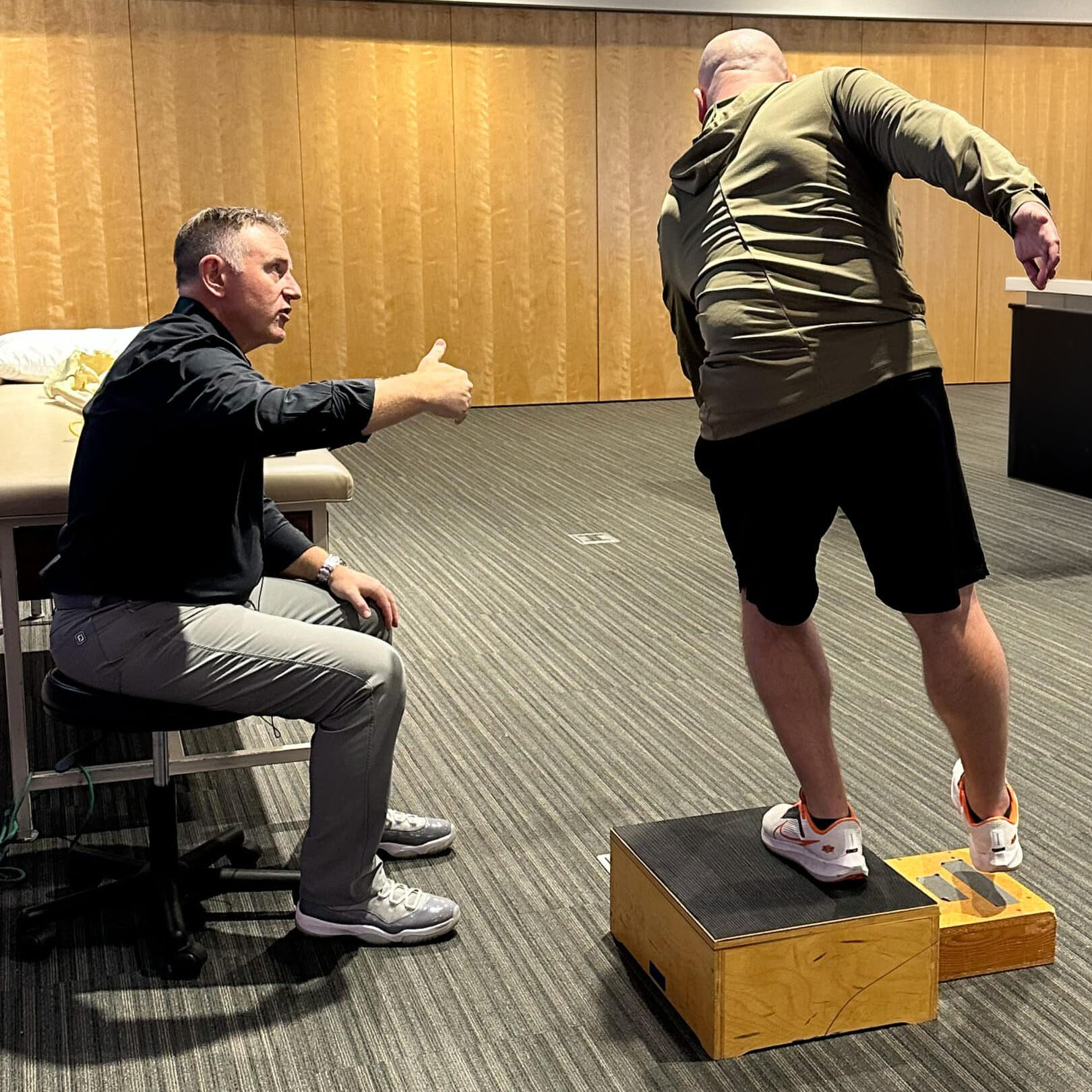
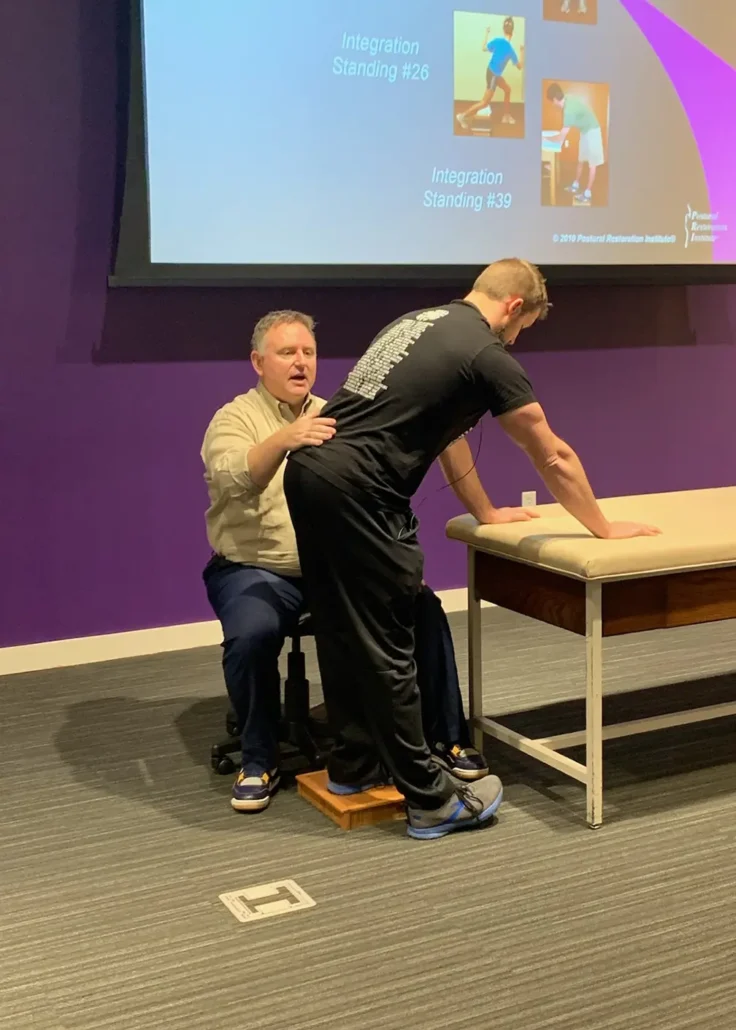
As part of your treatment, Dan integrates footwear recommendations, custom orthotics, oral interventions, and visual strategies when appropriate. These elements are not added routinely, but incorporated intentionally based on your individual evaluation and diagnosis.
Dan has the ability to fit specific orthotics when necessary and collaborates closely with dentists for oral appliance therapy. He also works alongside optometrists and behavioral optometrists to ensure proper visual correction when vision is influencing posture, balance, or overall function.
This integrated approach ensures that every system contributing to your symptoms is addressed, not just the area where pain appears.
Dan Houglum
MSPT, ATC/L, PRC, PRI Faculty
- Bachelor of Science in Athletic Training, South Dakota State University, 1997
- Licensed Athletic Trainer since 1997
- Master of Science in Physical Therapy, Des Moines University, 1999
- Licensed Physical Therapist since 1999
- Utilizing Postural Restoration Institute® principles since 2004
- Postural Restoration Certified® (PRC), 2012
- Postural Restoration Institute® Faculty Member since 2016
- Completed more than 110 continuing education courses
- Taught more than 75 Postural Restoration Institute® courses
- Provides consultation and mentorship for PRI providers
- Recognized as a 5-Star Professional and Top Physical Therapist in Chicago, Illinois in 2014 and 2015
- Co-author, Rehabilitation of Musculoskeletal Injuries, 5th Edition
Evidence-Based Care
True evidence-based care requires more than citing research. It demands ongoing study, critical thinking, and the integration of scientific literature into daily clinical decision-making. Dan’s approach is grounded in decades of interdisciplinary research spanning neuroscience, gait mechanics, respiration, sensory processing, asymmetry, and systems-based human function.
Below is a selected group of foundational texts and peer-reviewed studies that inform his continued learning and clinical reasoning. Many of these references extend beyond traditional physical therapy education. This broader body of research helps shape a perspective that is comprehensive, integrative, and distinctive.
- Barrett, L. F. (2020). Seven and a Half Lessons About the Brain. Houghton Mifflin Harcourt.
Publisher Link - Bock, O., et al. (2011). Age-related deficits of dual-task walking: The role of foot vision. Gait & Posture, 33(2), 190–194.
Publisher Link - Craig, A. D. (2014). How Do You Feel? An Interoceptive Moment with Your Neurobiological Self. Princeton University Press.
Publisher Link - De Troyer, A., & Estenne, M. (1988). Functional anatomy of the respiratory muscles. Clinics in Chest Medicine, 9(2), 175–193.
- Eils, E., et al. (2004). Reduced plantar sensation causes a cautious walking pattern. Gait & Posture, 20(1), 54–60.
Publisher Link - Fallon, J. B., et al. (2005). Evidence for strong synaptic coupling between single tactile afferents from the sole of the foot and motoneurons supplying leg muscles. Journal of Neurophysiology, 94(6), 3795–3804.
Publisher Link - Gibson, J. J. (1966). The Senses Considered as Perceptual Systems. Houghton Mifflin.
- Graci, V., et al. (2017). Is lower peripheral information weighted differently as a function of step number during step climbing? Gait & Posture, 52, 52–56.
Publisher Link - Kapandji, I. A. (2008). The Physiology of the Joints: Volume 3. The Spinal Column, Pelvic Girdle and Head (6th ed.). Churchill Livingstone.
- Knott, M., & Voss, D. (1968). Proprioceptive Neuromuscular Facilitation: Patterns and Techniques. Harper & Row.
- Koley, O. I., et al. (2013). Asymmetrical loading during non-visual navigation. Neuroscience Letters, 555, 138–142.
Publisher Link - Leisman, G., Moustafa, A. A., & Shafir, T. (2016). Thinking, walking, talking: Integratory motor and cognitive brain function. Frontiers in Public Health, 4, 94.
Publisher Link - McGilchrist, I. (2009). The Master and His Emissary. Yale University Press.
Publisher Link - McManus, C. (2002). Right Hand, Left Hand. Harvard University Press.
Publisher Link - Mead, J. (1979). Functional significance of the area of apposition of diaphragm to rib cage. American Review of Respiratory Disease, 119(1), 31–32.
- Padula, W. V., Munitz, R., & Magrun, W. M. (2012). Neuro-Visual Processing Rehabilitation: An Interdisciplinary Approach. Optometric Extension Program Foundation.
- Peña, R. T. (2022). The Four Forces of Human Nature: A Unifying Theory.
- Petroski, H. (2016). Force: What It Means to Push and Pull, Slip and Grip, Start and Stop. Yale University Press.
Publisher Link - Pfeiffer, C., et al. (2014). The vestibular system: A spatial reference for bodily self-consciousness. Frontiers in Integrative Neuroscience, 8, 31.
Publisher Link - Pilarski, J. Q., et al. (2019). Muscles of breathing: Development, function, and patterns of activation. Comprehensive Physiology, 9(3), 1025–1080.
Publisher Link - Polk, J. D., et al. (2017). Limb dominance, foot orientation, and functional asymmetry during walking gait. Gait & Posture, 52, 140–146.
Publisher Link - Spiegel, B. (2022). Gravity and the gut: A hypothesis of irritable bowel syndrome. American Journal of Gastroenterology, 117(12).
Publisher Link - Van Wezel, B. M. H., et al. (1997). Dynamic control of location-specific information in tactile cutaneous reflexes from the foot during human walking. Journal of Neuroscience, 17(10), 3804–3814.
My goal with every patient is to optimize the position and function of the diaphragm to support proper alignment and integrated whole-body function. When the diaphragm is positioned and functioning well, it influences how we walk, breathe, chew, and swallow – fundamental actions that occur tens of thousands of times each day.
Human beings are inherently asymmetrical, with predictable patterns of functional cortical dominance and motor behavior that begin early in development and remain consistent throughout life. How we manage that asymmetry through breathing and gait mechanics directly influences what we are capable of doing throughout the day.
By restoring efficient breathing mechanics and improving gait patterns, my goal is to help patients better regulate their autonomic nervous system. When the body no longer relies on compensation, it can shift toward a more adaptable, resilient, and balanced state of function.
Dan Houglum
Fees & Payments
Fees
Self Pay rate is $250 for a 1 hour biomechanical evaluation and treatment, and $200 for all subsequent treatment sessions at both locations.
Virtual Consultations are $200 for a 1 hour session.
Houglum Physical Therapy, LLC does NOT accept any forms of health insurance. After each session you will receive a detailed receipts and a superbill with appropriate codes. This bill can be submitted to your insurance for potential reimbursement.
Payments
We accept cash, checks, Zelle, Visa, Mastercard, Discover, and American Express.
A 3% processing fee applies to credit card payments.
